
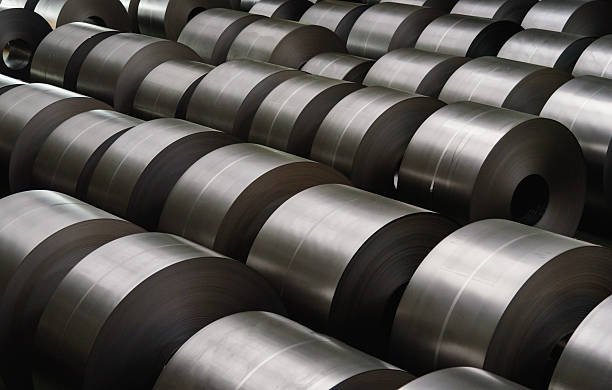
I didn’t plan to write about Steel traders today, honestly. But then I opened X (yeah, I still call it Twitter sometimes, old habit) and saw someone ranting about iron prices jumping like crypto in 2021. That kind of hit home. Because if you’ve ever talked to people in this line of work, you know it’s not just buying and selling metal. It’s more like guessing the mood of the market every single morning, with chai in one hand and stress in the other.
People think steel is boring. Big rods, heavy sheets, dusty godowns. But the business behind it? Way more dramatic than people assume. Prices change for reasons that sometimes don’t even make sense at first glance. One day demand is “slow”, next week everyone is panicking and hoarding like it’s toilet paper during lockdown. I’ve seen traders argue more passionately about steel coils than football fans argue about Messi vs Ronaldo.
The Market Moves Like Traffic in Indian Cities
Here’s the simplest way I explain steel pricing to friends who work in IT and think commodities are “old economy.” Imagine Bangalore traffic. You leave home thinking it’ll take 30 minutes. Suddenly there’s rain, one signal fails, and boom, you’re stuck for two hours. Steel prices work the same way. A small supply issue at a plant in Odisha or China sneezes, and the whole market catches a cold.
A lesser-known thing people don’t talk about much is how much sentiment drives this industry. According to a trade journal I read last year (can’t remember the exact name now), a large chunk of short-term price movement is driven by anticipation, not actual shortage. Basically rumors. WhatsApp forwards. “Rates going up next week, book now.” Sound familiar? It’s almost funny if it wasn’t real money involved.
Everyone Online Is an Expert, Apparently
Scroll through LinkedIn and suddenly everyone is a steel market analyst. One viral post and suddenly people who never touched a TMT bar are predicting quarterly trends. I saw a reel last month where someone compared steel demand to wedding seasons. Dumb analogy, but also… not entirely wrong? Construction slows during monsoons, weddings spike gold demand, and steel quietly waits for infra budgets to drop.
There’s also this strange respect mixed with mockery online. People joke that steel traders age faster than milk. Stress, margins getting squeezed, buyers delaying payments. And yet, many of them won’t leave this business even if you beg them. I once spoke to a guy who said, “I tried exiting. Did retail. Came back in six months. This chaos is addictive.” Not sure if that’s brave or concerning.
Margins Are Thin, Emotions Are Not
One thing outsiders rarely understand is how thin margins can be. You’re not flipping iPhones here. Sometimes the profit per ton feels like pocket change after factoring transport, storage, and delayed payments. And delays are normal. Too normal. Ninety days, one-twenty days, “next week pakka.” If patience was a currency, these traders would be billionaires.
There’s also this quiet skill of relationship management. You’re not just tracking prices; you’re tracking people. Who pays on time, who talks big, who disappears when rates drop. It’s half business, half psychology. Maybe more psychology, actually.
Why This Industry Still Survives All the Chaos
Despite all this mess, the steel trade survives because demand never really disappears. It slows, it sleeps, but it doesn’t die. Roads, buildings, factories, even solar structures need steel. And here’s a niche stat that surprised me when I first heard it: India’s per capita steel consumption is still way below many developed countries. That means long-term demand is basically baked in, whether traders like it or not.
I think that’s why so many people stick around. They complain daily, but deep down they know this isn’t a dying business. It’s just… moody. Like a cat. Feed it right, don’t annoy it too much, and maybe it won’t scratch you.
Ending Where It All Comes Back Together
By the time you reach the end of the month, most Steel traders aren’t thinking about fancy forecasts. They’re thinking about clearing stock, collecting payments, and maybe taking one Sunday off without their phone buzzing. The online chatter will continue, prices will jump for “unexpected reasons,” and someone will always say, “Market toh upar hi jayega.”
And maybe that’s the charm of it. Messy, stressful, sometimes unfair, but never boring. If nothing else, this business teaches you patience, humility, and how to survive on very strong tea.



)