Understanding I Beams and Why They Matter
When it comes to construction, the little things often make the biggest difference. You might be focused on fancy facades, glossy tiles, or the latest tech gadgets for your smart home—but underneath it all, the real hero is often the structure itself. That’s where the humble i beam comes in. These steel marvels might not make your Instagram feed, but trust me, without them, your building could literally fall apart.
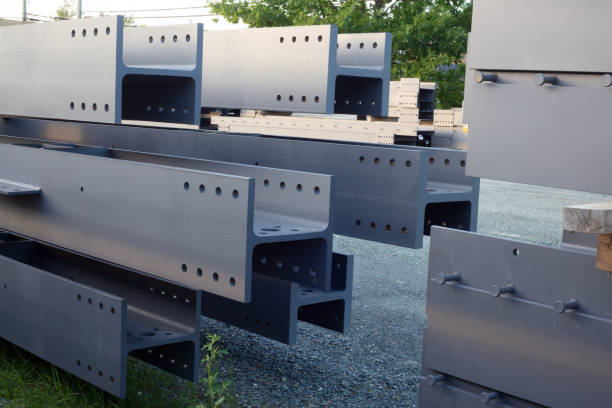
I beams, sometimes called H-beams for their shape, are all about distributing weight. Picture them like the skeleton of your favorite action figure—they hold everything together, giving the whole structure strength without being ridiculously heavy.
How I Beams Keep Things Standing
You know when you stack books in your room, and if the bottom one is a little flimsy, the whole pile starts leaning? That’s essentially what happens in buildings without proper beams. An i beam acts like that solid book at the bottom but much more high-tech. Engineers love them because they’re efficient. They give maximum strength where you need it most, with less material. Basically, it’s like getting a premium coffee with half the sugar—strong, effective, and surprisingly neat.
I beams come in different sizes and grades, and picking the wrong one is kind of like wearing flip-flops in a snowstorm. You might survive, but it’s going to be uncomfortable, risky, and probably embarrassing when someone notices.
A Quick Look at Real-Life Use
I remember visiting a construction site once—honestly, I just went to peek at a friend’s project—but I ended up learning a ton. There was this massive steel frame being erected, and it looked like a chaotic jungle of beams. But as they lifted the i beam into place, everything started clicking together. It was mesmerizing how a single beam could connect columns, support floors, and suddenly turn chaos into structure. It made me think about how much invisible engineering we live with daily. Every skyscraper, warehouse, or even your local mall probably has dozens of these beams quietly doing their job.
Why Size and Shape Aren’t Just Numbers
One thing that surprises people about i beams is how precise the sizing really is. You can’t just grab a beam off the shelf and hope it works. There’s a reason they have specific dimensions and thicknesses. Using a beam that’s too thin is risky; too thick and you’re basically overpaying for steel that doesn’t even need to exist.
Think of it like buying jeans online. You need the perfect fit—too tight and you can’t move, too loose and it looks sloppy. Engineers calculate bending, weight, and stress before picking the right i beam, so everything stays balanced. It’s nerdy math, yes, but it’s also the difference between a safe building and a building that’s just asking for trouble.
Steel I Beams and Sustainability
Here’s a lesser-known fact: steel i beams are recyclable. A lot of people don’t realize this because we mostly talk about recycling bottles and cardboard. The steel used in i beams can be melted down and reused in new projects, which is kind of comforting in a world that’s constantly talking about going green. Imagine your office beam being reborn as a playground swing years later—metal reincarnation, basically.
Also, using the right beam can actually save money in the long run. It’s tempting to cheap out or pick a size that looks “close enough,” but you might end up with extra maintenance costs. That’s like buying a cheap pair of shoes that fall apart in a month—looks fine at first, but the replacement cost hurts.
Online Buzz and the I Beam Craze
It’s funny, but if you scroll through construction forums or LinkedIn groups, people actually get hyped about i beams. There’s chatter about different grades, sourcing tips, and even memes comparing i beams to everyday items—like how strong they are compared to chocolate bars or cats trying to push furniture. The internet is weird, but it shows you that even the most “boring” part of a project can have its fan club.
Conclusion: Don’t Underestimate the Basics
At the end of the day, a building is only as strong as its framework. You might be focused on flashy interiors or social media-worthy designs, but ignoring something as basic as an i beam is like trying to bake a cake without flour—you can try, but the results won’t be pretty. So whether you’re a DIY enthusiast, a first-time builder, or just someone curious about how things hold up, take a moment to appreciate these unsung steel heroes. They’re the quiet backbone of our modern world, and honestly, a little respect goes a long way.