
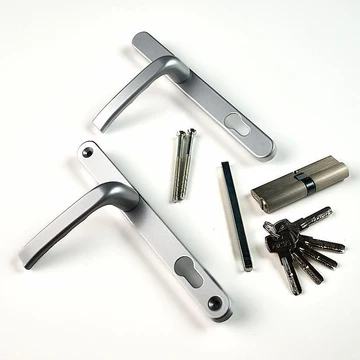
How handles, locks, seals, fittings and practical extras help doors and windows work better every day
When people choose new doors or windows, most attention naturally goes to the main product. They look at the frame, the glass, the material, the colour and the overall design. But the smaller parts around the door or window are often just as important in daily use. Handles, locks, hinges, seals, cylinders, restrictors, vents and other accessories can affect comfort, security, usability and long-term performance.
That is why door and window accessories should never be treated as an afterthought. The right accessories can make a door easier to lock, a window simpler to ventilate, an entrance more secure and a home more comfortable. The wrong or missing accessories can create irritation, draughts, poor function and unnecessary wear.
Whether the project involves a front door, utility door, patio door, garden door, shed door or replacement windows, the details matter. A well-chosen door or window only performs as well as the fittings and finishing details around it.
Handles are part of the everyday experience
The handle is one of the most used parts of any door or window. It may seem like a small detail, but it has a major effect on how the product feels in daily life. A good handle should be comfortable, stable, suitable for the location and easy to operate.
For exterior doors, the handle must be strong enough for frequent use and suitable for outdoor conditions. It will be exposed to moisture, temperature changes, frost, sunlight and daily handling. A weak or loose handle can quickly make even a good door feel unreliable.
On a front door, the handle also affects the appearance of the entrance. A clean, simple handle can support a modern look, while a more traditional handle may suit a classic house better. The handle should match the door style, but it should also feel practical in the hand. A door that is used several times a day should not have a handle that feels awkward, sharp or fragile.
Window handles are just as important. A window should be easy to open, close and secure. If the handle is stiff, too small or poorly placed, the window may not be used properly. This can affect ventilation and comfort, especially in kitchens, bedrooms, bathrooms and utility rooms.
In homes with children, elderly residents or frequent guests, usability becomes even more important. Handles should be intuitive and easy to operate without force. Good accessories are not only about appearance. They help the home function naturally for everyone who uses it.
Locks, cylinders and security details
Security is one of the main reasons to pay attention to door accessories. A strong door still needs a good lock, cylinder and strike plate to perform properly. If these details are weak, badly fitted or outdated, the overall security of the entrance is reduced.
The lock cylinder is especially important. It controls the key function and can influence protection against drilling, picking and unauthorised key copying. For main entrances, utility doors, back doors and garden-facing doors, a reliable cylinder should be part of the overall security plan.
Some homeowners prefer having the same key for several exterior doors. This can be very convenient, especially when the home has a front door, back door, garage side door and utility entrance. Others prefer separate keys for different areas, particularly if access needs to be controlled more carefully.
A thumb turn on the inside can be practical because it allows the door to be opened quickly from within without using a key. This can be useful in daily life and in emergency situations. However, if the door has glass close to the lock, the security implications should be considered.
The strike plate is another detail that should not be overlooked. It is the metal part in the frame where the lock engages. A strong lock is less effective if the strike plate is weak or poorly fixed. Proper screws, secure fitting and correct alignment all matter.
For doors that are less visible from the street, such as back doors, garden doors and shed doors, security accessories can be especially important. These entrances may be more vulnerable because they are hidden from view. A good lock system should therefore be chosen according to the location, not just the type of door.
Hinges and adjustment parts
Hinges carry the weight of the door or window and make movement possible. They are easy to ignore when everything works, but when they wear, sag or become misaligned, the problem is felt immediately.
A door that begins to scrape the threshold, bind in the frame or require lifting before it locks may have hinge or adjustment issues. This can lead to unnecessary wear on the lock, seals and frame. If ignored, a small alignment problem can become a bigger repair.
Good hinges should be suitable for the weight and size of the door. A large glazed patio door or exterior door places more demand on the hinges than a light internal-style panel. Utility doors, shed doors and workshop doors may also need strong hinges because they are often used roughly and frequently.
Some hinges allow adjustment. This can be valuable because buildings settle, doors move slightly over time, and temperature changes can affect how elements behave. Being able to adjust the door helps maintain good closing, tight seals and smooth locking.
Window hinges and fittings also matter. In tilt-and-turn windows, for example, the hardware is central to the window’s function. The mechanism must support both tilt ventilation and full opening. If the fittings are not maintained or adjusted correctly, the window may become difficult to operate.
Hinges and moving parts should be checked occasionally and lubricated according to the manufacturer’s recommendations. This simple maintenance can extend the life of the door or window and prevent daily frustration.
Seals, gaskets and draught protection
Seals are among the most important accessories for comfort. They help keep wind, rain, dust and cold air outside. They also support energy efficiency and reduce draughts around doors and windows.
A door or window may have good glazing and a solid frame, but if the seals are damaged, dirty or compressed, comfort can still suffer. Draughts often appear first around the edges, at the threshold or where the sash meets the frame.
In exterior doors, seals must handle repeated opening and closing. Utility doors, patio doors and garden doors are often used frequently, which means the seals need to remain flexible and clean. Dirt, sand, pollen and garden debris can reduce their effect.
Window seals are equally important. In bedrooms and living rooms, damaged seals can create cold spots and noise. In bathrooms and kitchens, seals help control moisture and airflow. In summer houses, they help protect the interior when the property stands empty.
Seals should be inspected a few times a year. They should sit correctly, feel flexible and show no major cracks or gaps. If they are loose or damaged, replacement may be needed. This is often a relatively small improvement that can make a noticeable difference.
Draught protection is not only about comfort in winter. A tightly sealed door or window also helps keep out dust, insects and outdoor noise. Small accessories can therefore improve the home in several ways at once.
Ventilation accessories and window restrictors
Ventilation is essential in a healthy home. Modern doors and windows are often much tighter than older ones, which improves insulation but can reduce natural air movement. Accessories such as vents, restrictors and opening limiters can help make ventilation safer and more controlled.
Window restrictors can be useful where a window should open only a limited amount. This may be relevant in children’s rooms, apartments, upper floors or rooms where safety is a concern. They can also protect windows from being blown too far open in windy weather.
Ventilation accessories can support regular airflow without leaving windows fully open. This is useful in bedrooms, bathrooms, kitchens and utility rooms, where moisture and odours need to be managed. In rooms with high humidity, ventilation should always be considered together with the rest of the home’s ventilation system.
Door restrictors or stays can also be practical, especially for outward-opening doors. Patio doors, garden doors and shed doors can be caught by the wind if left open. A restrictor, stay or hook can help prevent damage to hinges, frames and glass.
These accessories are not always visible, but they can improve daily use significantly. They allow homeowners to ventilate more confidently and protect doors and windows from avoidable strain.
Thresholds and finishing details
The threshold is one of the most practical parts of a door. It affects access, weather protection, comfort and durability. A good threshold should make the door easy to use while still protecting against rain, draughts and cold.
Low thresholds can be helpful for families with children, older residents, prams, bicycles, wheelchairs or anyone carrying shopping bags and garden equipment. They make movement easier and reduce the step between inside and outside.
However, the threshold must still perform. If water collects outside the door, even a good threshold can struggle. The outdoor surface should slope away from the entrance, and drainage should be considered. This is especially important for patio doors, utility doors, shed doors and basement entrances.
Finishing accessories around doors and windows also matter. Trim, cover strips, sealants and fixing details affect both appearance and performance. A neatly finished installation looks better and is easier to maintain. Poor finishing can leave gaps, draughts or areas where moisture may enter.
For replacement projects, these details should be planned before installation begins. A new door or window should not only fit the opening. It should also be finished properly so it works well and looks complete.
Accessories for sheds, garages and workshops
Doors for sheds, garages and workshops often need practical accessories more than decorative ones. These buildings may store tools, bicycles, garden machines and materials, so function and durability are important.
A shed door may need a reliable lock, strong hinges and a handle that can withstand outdoor use. If the shed is exposed to wind, a door stay can prevent the door from slamming. If the shed is dark inside, a glazed door or small window accessory may improve usability.
Workshop doors often benefit from stronger hardware because they are used while carrying tools and materials. A wider handle, robust hinges and a secure lock can make the space easier and safer to use. If the workshop is heated, seals and threshold details become more important.
Garage side doors should be secure and convenient. They are often used for daily access to bikes, storage, freezers or tools. A stiff lock or poor handle can quickly become annoying. A strong cylinder and good strike plate can improve security.
Accessories for these buildings should match the level of use. A simple garden shed does not need the same hardware as a heated workshop or annex, but it still needs parts that can handle the weather and daily handling.
Accessories for summer houses
Summer houses have their own needs. They may stand empty for long periods, then be used intensively during holidays and weekends. Door and window accessories should therefore support security, ventilation and low maintenance.
Locks and cylinders are important because the property may be unoccupied for weeks or months. If several family members use the house, key control should also be considered. A practical locking solution can make access easier while keeping the property secure.
Ventilation accessories may be useful, especially when the house is closed for periods. Moisture and stale air can become a problem in holiday homes. Secure ventilation options can help, depending on the building and local conditions.
Handles, hinges and seals should tolerate changing weather. Coastal summer houses may face wind, salt and moisture, which can be demanding on hardware. Choosing accessories suitable for exterior use is especially important in these locations.
Low maintenance is often a priority. Accessories should be durable, easy to clean and simple to inspect. The goal is to spend time enjoying the summer house, not constantly repairing small parts.
Maintenance of accessories
Even good accessories need care. Handles, hinges, locks, seals and ventilation parts all work better when they are checked and maintained occasionally.
Locks should operate smoothly. If a key begins to stick or the cylinder feels rough, it should be addressed early. Forcing a stiff lock can lead to broken keys or damaged cylinders.
Hinges and moving parts may need lubrication. This helps reduce wear and keeps doors and windows moving smoothly. The right product should be used according to the manufacturer’s recommendations.
Seals should be cleaned and inspected. Dirt can prevent them from closing tightly, while damaged seals may allow draughts or water ingress. Replacing worn seals can often improve comfort without replacing the whole door or window.
Handles should be checked for looseness. A loose handle may only need tightening, but if ignored, it can damage surrounding parts. Drainage openings, where present, should be kept clear so water can escape.
A simple maintenance routine might include:
- Cleaning handles, frames and seals
- Checking locks and cylinders
- Lubricating hinges and moving parts
- Tightening loose screws
- Clearing drainage paths
- Replacing worn seals when needed
Small checks can prevent many larger problems. Accessories are often inexpensive compared with the door or window itself, but they play a major role in keeping everything working.
Small parts with a big effect on daily life
Door and window accessories may not be the first thing homeowners think about, but they are central to comfort, security and usability. A good handle makes a door feel solid. A reliable lock makes the home feel safer. Effective seals reduce draughts. Strong hinges keep doors aligned. Practical restrictors protect against wind and improve ventilation.
The best results come when accessories are chosen as part of the whole solution. A front door needs security and a handle that suits the entrance. A patio door may need a restrictor, strong hardware and good seals. A utility door needs practical fittings that can handle frequent use. A shed or workshop door needs durability and reliable locking.
These details do not have to be complicated, but they should be chosen deliberately. When doors, windows and accessories work together, the home becomes easier to use, more comfortable and better protected.
Good accessories are often noticed most when they are missing. When they are right, everything simply works as it should.