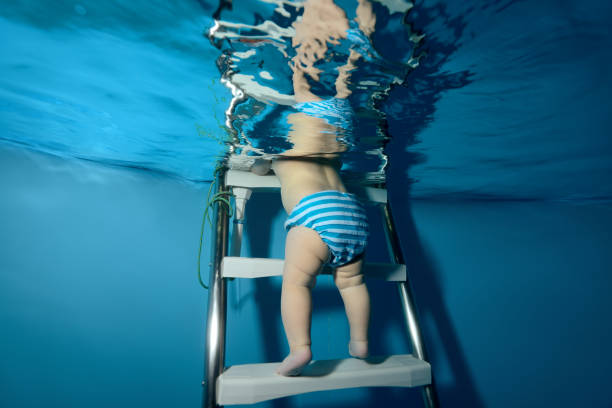
Introducing a baby to water often looks simple from the outside — a few splashes, some laughter, maybe a gentle float. But beneath those moments lies a fascinating mix of biology, physics, and careful design choices that make early swimming both safe and enjoyable.
Understanding these details can completely change how you approach your child’s time in the water.
Babies and Water: A Natural Connection
Interestingly, babies are born with certain reflexes that make them more comfortable in water than adults might expect.
For example:
- The gag reflex helps prevent water from entering the airway
- The kicking reflex encourages natural leg movement
- The grasp reflex can make them hold onto fingers or pool edges
These instincts don’t last forever, but they explain why early exposure to water often feels surprisingly natural for infants.
Why Movement Feels Different in Water
Water changes everything about how the body moves.
Because of buoyancy:
- Body weight is reduced significantly
- Movements become slower and more controlled
- Pressure is distributed evenly across the body
For babies, this creates a unique environment where they can move freely without the strain they might feel on land. It’s one reason swimming is often recommended as an early physical activity.
The Role of Temperature and Comfort
Babies are far more sensitive to temperature than adults.
In water:
- Heat is lost faster than in air
- Even slightly cool water can feel cold quickly
- Prolonged exposure can lead to discomfort
That’s why maintaining warmth — through movement, timing, and appropriate swimwear — is essential for a positive experience.
Hygiene in Shared Water Spaces
One aspect that rarely gets discussed openly is how public swimming environments are managed.
Pools operate under strict hygiene standards because:
- Water is shared by many people
- Contamination can spread quickly
- Filtration systems, while effective, are not instant
For babies who are not yet toilet trained, this introduces a practical challenge. Solutions like swim nappies are specifically designed to address this without interfering with movement in the water.
Why Regular Nappies Don’t Work in Water
It’s easy to assume any nappy will do the job, but water changes how materials behave.
Standard nappies:
- Absorb large amounts of water
- Become heavy and bulky
- Lose their structural integrity
This not only affects comfort but can also interfere with a baby’s ability to move naturally.
Swim-specific designs take a completely different approach by focusing on containment without absorption, which is better suited to aquatic environments.
Freedom of Movement Matters
One of the most important factors in early swimming is allowing babies to move freely.
Restricted movement can:
- Reduce confidence in the water
- Limit natural kicking and floating
- Make the experience less enjoyable
Well-designed swimwear supports:
- Flexible leg movement
- Comfortable stretching and kicking
- A natural range of motion
This is especially important during early learning stages when babies are building familiarity with water.
The Psychology of First Water Experiences
A baby’s first few experiences in water can shape how they feel about swimming long-term.
Positive experiences often include:
- Calm, gradual introductions
- Comfortable physical conditions
- Freedom to explore without restriction
Negative experiences, on the other hand, can create hesitation or fear that takes time to overcome.
This is why small details — from temperature to fit to comfort — play a much bigger role than they might seem.
Practical Tips for Parents
If you’re planning regular swim sessions, a few simple practices can help:
- Keep sessions short, especially in the beginning
- Watch for signs of fatigue or cold
- Maintain a consistent routine to build familiarity
- Focus on play rather than structured learning early on
These steps help create a relaxed environment where babies can naturally adapt to the water.
A Different Way to Look at Baby Swimming
When you step back, baby swimming isn’t just about learning a skill. It’s about:
- Building comfort in a new environment
- Supporting early physical development
- Creating positive sensory experiences
Every element — from how water behaves to what a baby wears — contributes to that experience.
Final Thought
The next time you see a baby splashing in a pool, it might look effortless. But behind that moment is a carefully balanced combination of design, environment, and natural instinct.
Understanding these factors doesn’t complicate things — it simplifies them. It helps you make better choices, avoid common mistakes, and focus on what really matters: creating a safe, comfortable space for your child to explore water with confidence.